
what is laminated glass made of
Understanding Stop Check Valves Function and Application Stop check valves are an essential component in various fluid handling systems, often used to ensure both the safe operation and efficient management of fluids in pipelines. Combining the features of both a stop valve and a check valve, these devices are particularly valued in applications that require selective flow control along with the prevention of backflow. What is a Stop Check Valve? A stop check valve is designed to allow fluid to flow in one direction while simultaneously preventing backflow. This dual functionality is achieved through its unique construction, typically featuring a movable disc that can be obstructed or opened by a stem. When the valve is in the open position, fluid can flow through the valve unhindered. However, if the flow direction changes, the disc closes to prevent backflow, thus safeguarding the system against potential damage or contamination. Importantly, stop check valves can be operated manually or automatically, depending on the system's design requirements. This adaptability makes them a popular choice in various industries, including water treatment, chemical processing, and HVAC systems. Applications of Stop Check Valves 1. Water and Wastewater Treatment In water treatment plants, stop check valves are critical for directing flow and preventing contamination . If a pump fails, these valves automatically close, stopping sewage or contaminated water from flowing back into clean water lines. 2. Pumping Systems In systems where multiple pumps may operate simultaneously, stop check valves help manage the direction of flow, allowing for seamless transitions between pumps without risking reverse flow. This is particularly important in firefighting systems, where maintaining pressure and flow direction is vital. stop check valve 3. Heating and Cooling Systems In HVAC applications, stop check valves maintain the flow of hot or chilled water through systems, ensuring that temperature control is effective. They prevent backflow, which can lead to inefficient system performance and increased energy costs. 4. Chemical Processing The chemical industry often faces issues related to corrosive materials and potential backflows that could result in dangerous leaks or reactions. Stop check valves offer a reliable solution for managing these chemicals, ensuring that fluids only flow in the intended direction and thereby maintaining safety. Design Variations Stop check valves come in various designs, including globe, gate, and ball types, each offering unique characteristics suited to specific applications. The choice of design is influenced by factors like the pressure of the system, the type of fluid being handled, and the required flow rates. - Globe Stop Check Valve This type usually provides better throttling capabilities and is often used in applications where flow regulation is necessary. - Gate Stop Check Valve Suitable for larger pipelines, this design offers minimal flow resistance when opened and is ideal for applications requiring full flow. - Ball Stop Check Valve This compact design is effective for tight spaces and can provide a quick response to changes in flow direction. Conclusion Stop check valves play a pivotal role in a wide range of fluid handling systems by ensuring efficiency and safety. Their unique ability to function both as a stop and a check mechanism makes them indispensable in preventing backflow and maintaining proper flow direction. As industries continue to evolve and face new challenges in fluid management, the importance of reliable and effective components like stop check valves will only grow, driving innovations in their design and application. Understanding their function and application is crucial for engineers and operators tasked with overseeing safe and efficient fluid systems.
about
what is laminated glass made of
How to Replace a Water Valve A Step-by-Step Guide Water valves play a crucial role in plumbing systems, controlling the flow of water to various fixtures in your home. Over time, these valves can wear out, resulting in leaks or reduced water pressure. If you notice problems with your water valve, it may be time for a replacement. This guide will walk you through the step-by-step process of replacing a water valve, ensuring that you can tackle this task safely and efficiently. Tools and Materials Needed Before you begin, make sure you have the following tools and materials on hand - Replacement water valve (ensure you choose the correct size and type) - Pipe wrench or adjustable pliers - Screwdriver (flathead and Phillips, depending on your valve) - Teflon tape or plumber’s tape - Bucket or container (to catch any water) - Towels or rags (for drying up spills) Step 1 Turn Off the Water Supply The first and most important step is to turn off the main water supply to your home to prevent any leaks or flooding during the process.Locate the main shut-off valve, usually found near the water meter, and turn it clockwise until it stops. Open a faucet on a lower level to drain any residual water in the pipes. Step 2 Locate the Water Valve Identify the water valve you need to replace. Water valves may be located near fixtures like sinks, toilets, or washing machines. They are typically connected to pipes leading into the appliance. Step 3 Remove the Old Water Valve 1. Disconnect the Supply Line Use a pipe wrench or adjustable pliers to loosen and disconnect the water supply line from the valve . Have your bucket or container ready to catch any remaining water that may spill out. 2. Remove the Valve Once the supply line is disconnected, you can remove the old valve. Depending on the type of valve (such as ball or gate valves), you may need to unscrew it from the pipe with a wrench. Turn the valve counterclockwise to fully detach it. Step 4 Prepare to Install the New Valve how to replace water valve Before installing the new valve, clean the threads on the pipe where the old valve was attached. This will ensure a snug fit and help prevent leaks. If the threads are damaged, you may need to replace the section of pipe. Step 5 Install the New Water Valve 1. Apply Teflon Tape Wrap Teflon tape around the threads of the pipe. This tape helps create a watertight seal and makes it easier to screw the new valve onto the pipe. 2. Attach the New Valve Screw the new water valve onto the pipe, turning it clockwise. Use your pipe wrench to tighten it securely, but be careful not to overtighten, as this might damage the valve or the pipe. Step 6 Reconnect the Water Supply Line Reattach the water supply line to the new valve. Again, use your pipe wrench or pliers to tighten this connection securely. Ensure that the fittings are snug, as leaks can occur if they are too loose. Step 7 Check for Leaks Once everything is connected, it’s time to turn the water supply back on. Go to the main shut-off valve and turn it counterclockwise to restore the water flow. Afterward, check the new valve and the connections for any signs of leaking. If you notice any leaks, turn off the water again and tighten the connections as needed. Step 8 Final Checks and Cleaning Up After ensuring there are no leaks, turn on the faucet connected to your new valve to purge any air from the system and verify that water is flowing properly. Once you are satisfied with your work, clean up your workspace, putting away tools and disposing of any old parts. Conclusion Replacing a water valve may seem daunting at first, but with the right tools, materials, and careful attention to detail, it can be a manageable DIY project. Always prioritize safety by ensuring the water supply is off and take your time throughout the process. With this guide, you should be well-equipped to tackle that valve replacement with confidence. Happy plumbing!
-

High quality industrial productsagement

High quality industrial products
View Details -

Meet the diverse needs of customers

Meet the diverse needs of customers
View Details -

Strict quality control

Strict quality control
View Details -

Top raw materials

Top raw materials
View Details -

Trusted supplier

Trusted supplier
View Details
Our application

news and information
Water Pressure Regulation Valve Efficient Flow Control System
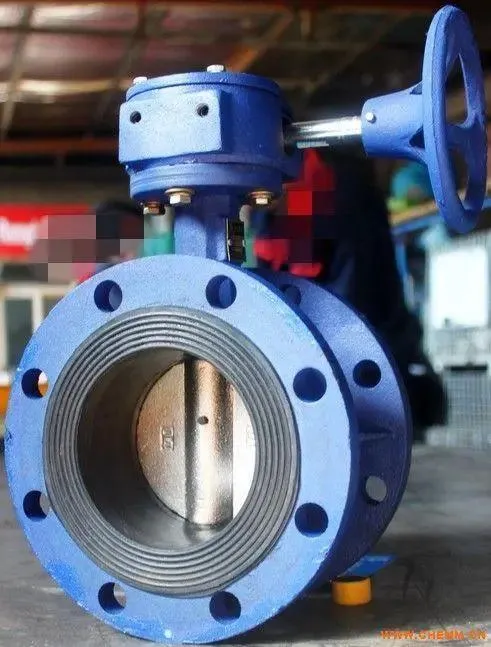
Understanding Water Pressure Control Valves A Key Component in Efficient Plumbing Systems In the in
Versatile Ground Anchor Solutions for Securely Supporting Adjustable Structures and Outdoor Installa
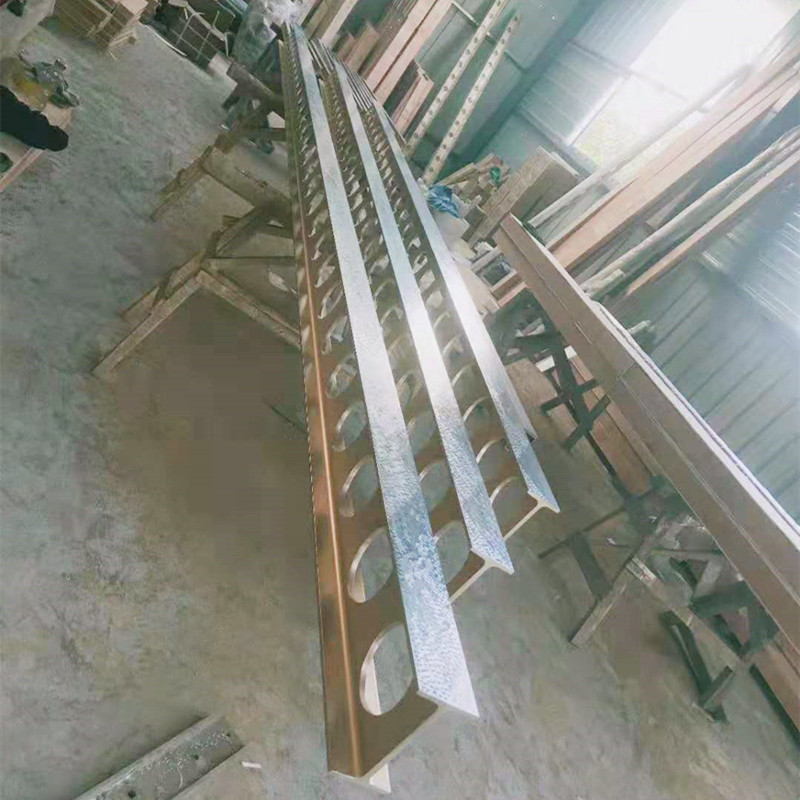
Understanding Adjustable Post Ground Anchors A Comprehensive Guide In the field of construction and

Van cầu Trung Quốc
Van cầu glob tại Trung Quốc Một cái nhìn tổng quan Van cầu glob là một loại van điều khiển lưu lượng
 English